Ανακαλύψτε τη Γεύση της Καινοτομίας και της Βιωσιμότητας
Πρωτοποριακή Υδροπονική Καλλιέργεια Φράουλας
Ανακαλύψτε τη Γεύση της Καινοτομίας και της Βιωσιμότητας
Πρωτοποριακή Υδροπονική Καλλιέργεια Φράουλας
Ποιοι είμαστε
Η Kalavryta Strawberries είναι ελληνική εταιρεία η οποία δημιουργήθηκε το 2023 προκειμένου να υποστηρίξει με γνώση και σύγχρονες μεθόδους την πρωτογενή αγροτική παραγωγή της χώρας και να επενδύσει, με πρωτοφανές οικονομικό εύρος, στην αειφορία και το μέλλον των ελληνικών φρούτων.
Εγκαταστάσεις
11.000m² στεγασμένων εγκαταστάσεων – 10.000m² θερμοκηπίων και 1.000m² βοηθητικών χώρων και συσκευαστηρίων.
Με πρωτοπόρες εφαρμογές ελέγχου και ασφάλειας, οι υπερσύγχρονες εγκαταστάσεις της Kalavryta Strawberries θα υποστηρίζουν μια παραγωγή άνω των 1.500 τόνων φράουλας ετησίως.
Innovation in Hydroponics
Innovation in hydroponics, especially as it pertains to Kalavryta Strawberries,
encompasses a variety of cutting-edge practices and technologies that not only enhance the efficiency and sustainability
of strawberry production but also improve the quality of the fruits themselves.

- Proximity to Major Markets
- Access to Mediterranean and European Union Trade Routes
- Ideal for Year-Round Production and Export
- Enhanced Logistics and Supply Chain Efficiency
- Opportunity for Branding and Market Positioning
- Expanding into Emerging Markets
Export Potential
Kalavryta’s strategic location in Greece offers a unique advantage for accessing European markets, making it an ideal hub for the distribution of hydroponically grown strawberries.
Φράουλες Albion, μια απολαυστική ποικιλία
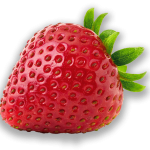
Η Kalavryta Strawberries είναι γνωστή για την ποικιλία Albion, γνωστή για τη γλυκιά, ζουμερή σάρκα της, το ζωηρό κόκκινο χρώμα της και το υπέροχο έντονο άρωμα της. Καλλιεργούμε τις φράουλες Albion με ακρίβεια και φροντίδα, και είναι ιδανικές για άμεση νωπή κατανάλωση, γλυκά, μαρμελάδες αλλά και κονσερβοποίηση ή διατήρηση σε κατάψυξη.
Sustainability and Innovation
Kalavryta’s strategic location in Greece offers a unique advantage for accessing European markets, making it an ideal hub for the distribution of hydroponically grown strawberries.
Eco-Friendly Practices
Water Conservation and Recycling
Hydroponic systems are inherently more water-efficient than traditional soil-based agriculture, using as much as 90% less water. Kalavryta Strawberries can further this efficiency by implementing advanced water recycling and filtration systems. This not only conserves water but also ensures that nutrients are reused, reducing waste and the need for additional fertilizer.
Renewable Energy Use
Powering hydroponic systems and climate control with renewable energy sources, such as solar or wind power, drastically reduces the carbon footprint of strawberry production. By investing in renewable energy, Kalavryta Strawberries can operate more sustainably, contributing to the reduction of greenhouse gas emissions.
Organic and Biodegradable Inputs
Using organic nutrients and pest control methods minimizes the environmental impact of strawberry farming. Additionally, opting for biodegradable grow mediums over synthetic alternatives can help ensure that the hydroponic operation is sustainable from start to finish.
Pollinator-friendly Practices
Even though hydroponic systems are often closed environments, the area surrounding the farm can be managed to support local biodiversity, including pollinators. Planting native flowers and creating habitats for bees and other beneficial insects can contribute to the ecological health of the area around Kalavryta.
Reduction of Plastic Use
In hydroponic farming, plastic is commonly used for tubing, containers, and other system components. Kalavryta Strawberries can seek out recycled materials for these purposes and invest in durable, reusable options to minimize plastic waste. Additionally, exploring innovative materials that are biodegradable or more environmentally friendly can further reduce the operation's ecological footprint.
Integrated Pest Management (IPM)
IPM focuses on using the least environmentally damaging methods for pest control, relying on a hierarchy of practices with pesticides as a last resort. This approach can include biological controls (using beneficial insects to control harmful pests), mechanical controls (such as traps and barriers), and cultural controls (like crop rotation and selective planting).
Education and Community Engagement
Educating the community about sustainable agriculture and hydroponic technologies can have a ripple effect, inspiring others to adopt more eco-friendly practices. Kalavryta Strawberries can host workshops, farm tours, and other outreach activities to share knowledge about the benefits of hydroponic farming and sustainability in agriculture.
Sustainability and Innovation
Kalavryta’s strategic location in Greece offers a unique advantage for accessing European markets, making it an ideal hub for the distribution of hydroponically grown strawberries.
Eco-Friendly Practices
Water Conservation and Recycling
Hydroponic systems are inherently more water-efficient than traditional soil-based agriculture, using as much as 90% less water. Kalavryta Strawberries can further this efficiency by implementing advanced water recycling and filtration systems. This not only conserves water but also ensures that nutrients are reused, reducing waste and the need for additional fertilizer.
Renewable Energy Use
Powering hydroponic systems and climate control with renewable energy sources, such as solar or wind power, drastically reduces the carbon footprint of strawberry production. By investing in renewable energy, Kalavryta Strawberries can operate more sustainably, contributing to the reduction of greenhouse gas emissions.
Organic and Biodegradable Inputs
Using organic nutrients and pest control methods minimizes the environmental impact of strawberry farming. Additionally, opting for biodegradable grow mediums over synthetic alternatives can help ensure that the hydroponic operation is sustainable from start to finish.
Pollinator-friendly Practices
Even though hydroponic systems are often closed environments, the area surrounding the farm can be managed to support local biodiversity, including pollinators. Planting native flowers and creating habitats for bees and other beneficial insects can contribute to the ecological health of the area around Kalavryta.
Reduction of Plastic Use
In hydroponic farming, plastic is commonly used for tubing, containers, and other system components. Kalavryta Strawberries can seek out recycled materials for these purposes and invest in durable, reusable options to minimize plastic waste. Additionally, exploring innovative materials that are biodegradable or more environmentally friendly can further reduce the operation's ecological footprint.
Integrated Pest Management (IPM)
IPM focuses on using the least environmentally damaging methods for pest control, relying on a hierarchy of practices with pesticides as a last resort. This approach can include biological controls (using beneficial insects to control harmful pests), mechanical controls (such as traps and barriers), and cultural controls (like crop rotation and selective planting).
Education and Community Engagement
Educating the community about sustainable agriculture and hydroponic technologies can have a ripple effect, inspiring others to adopt more eco-friendly practices. Kalavryta Strawberries can host workshops, farm tours, and other outreach activities to share knowledge about the benefits of hydroponic farming and sustainability in agriculture.
The Journey
of Kalavryta Strawberries
The journey began with a vision to create a strawberry farm that not only produces the finest quality strawberries but also adheres to principles of sustainability and innovation.
The founders, perhaps a group of agriculturists and environmental enthusiasts, identified Kalavryta, Greece, with its unique microclimate and fertile lands, as the perfect setting for this venture. Inspired by the rich agricultural heritage of the region and motivated by a commitment to environmental stewardship, they embarked on a mission to introduce hydroponic farming techniques to strawberry cultivation.
Certificates